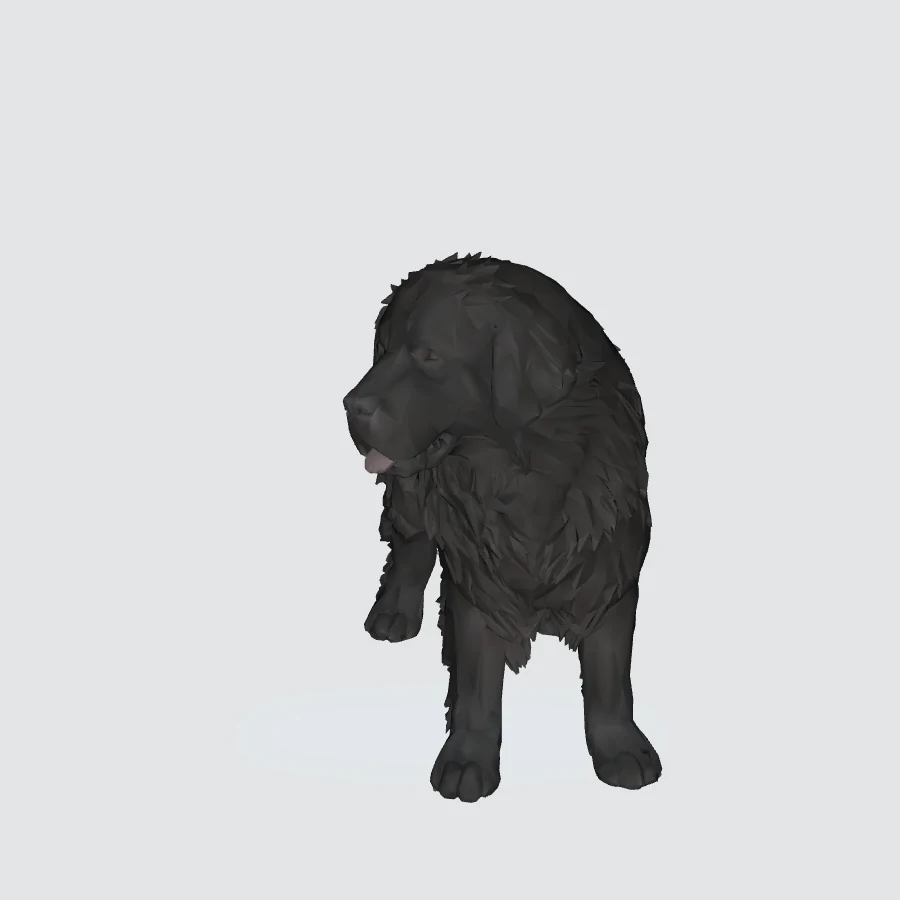
Interactive 3D dog profile

Newfoundland Interactive 3D Profile

Explore a full-body interactive 3D model of the Newfoundland. This profile adds general care-planning prompts while the complete, source-tracked breed health guide remains in editorial review. Individual dogs can differ substantially.

Local 3D model ready Health evidence review pending
Full-body Newfoundland 3D model preview

Rotate, tilt and zoom this model in the Interactive Dog Breed Health Explorer.

Care planning while research is reviewed

Useful steps that apply before breed-specific conclusions

This page does not assign a disease probability to an individual dog. It provides a realistic model and practical questions owners can use while the source-tracked health guide is being prepared.

Build a preventive-care baseline

Routine veterinary examinations create a baseline and help owners discuss vaccination, parasite prevention, nutrition, dental care, behavior, and age-related needs.

Ask a veterinarian how often the individual dog should be examined and which preventive services fit age, lifestyle, travel, environment, and medical history.

Protect comfortable movement

A lean body condition, suitable activity, safe flooring, gradual conditioning, and prompt attention to lameness can support mobility.

New limping, stiffness, weakness, reluctance to jump, or difficulty rising should be discussed with a veterinarian rather than attributed to breed or age alone.

Plan for dental health

Dental disease can develop before a dog stops eating. Home care and veterinary oral examinations can help identify problems earlier.

Ask a veterinarian about tooth brushing, safe dental products, professional cleaning, and signs such as odor, bleeding, pain, or difficulty chewing.

Notice changes early

Regular grooming provides a chance to notice itching, redness, odor, discharge, hair loss, lumps, eye changes, or ear discomfort.

Persistent or painful changes deserve veterinary assessment. Avoid assuming a symptom is normal for the breed without an examination.

Important distinction

The 3D model is educational, not a medical scan

The model helps visitors understand the whole animal and navigate general health topics. It does not show the anatomy, diagnosis, body condition or medical history of a particular dog.

Appearance alone cannot confirm health. A veterinarian should evaluate symptoms, pain, breathing changes, skin or ear problems, mobility changes, appetite changes and other concerns.

Pet insurance planning

Compare policy terms before relying on coverage

Pet insurance may help with eligible veterinary expenses, but policies differ. Compare waiting periods, deductibles, reimbursement, annual limits, hereditary and congenital condition provisions, examination fees, dental benefits, exclusions and pre-existing condition rules.

A breed name does not determine whether a claim will be covered. Coverage depends on the contract, enrollment date, medical history, symptoms, diagnoses, exclusions, applicable law and the insurer’s claim decision.

Editorial status

The complete Newfoundland health guide is still under review

The full guide will be published only after sources, measurement types, screening guidance, veterinary language and insurance wording have been reconciled. Until then, this profile remains clearly separated from the 30 complete breed guides.

Browse All Dog Profiles